

Five Minutes a Week That Show Where Your Money Goes
How a short weekly money check-in shows where your money goes‚ eases financial anxiety and gives you back a sense of control.
The Importance of a Fixed Moment for Financial Awareness
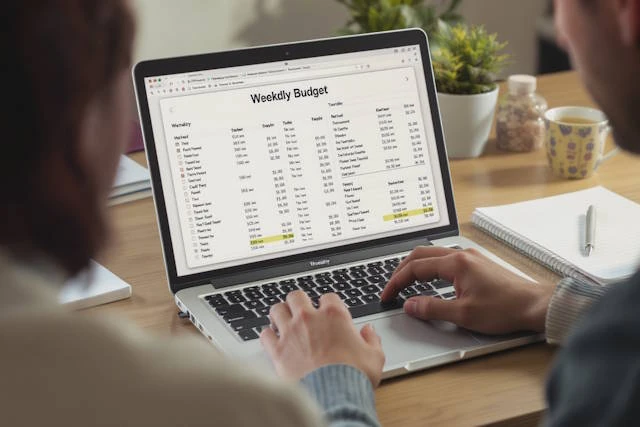
The first step toward financial stability is consistency. When you set aside five minutes a week - on the same day and at the same time - your brain gets used to seeing this check as part of your routine. It is not perceived as a burdensome task but as a natural step‚ like brushing your teeth. The regular look itself prevents surprises‚ reduces anxiety and lets you respond in time. It is a small habit that delivers big results‚ mainly because it relies on consistency rather than a one-off effort.
Choosing a Simple Point of View
Instead of focusing on technical details‚ it helps to look at money like a story. Every week has its characters - expenses‚ income‚ habits that keep repeating. When you treat the numbers as part of a bigger picture‚ it becomes easy to spot trends: what repeats‚ what stands out and what truly matters. These five minutes do not require financial knowledge - they require honesty. Looking without judgment‚ purely out of curiosity to understand how your money behaves.
The Link Between a Money Routine and Peace of Mind
Financial stress often comes from not knowing rather than from the situation itself. When there is clarity‚ even challenges feel manageable. Five minutes a week in which you go over your account‚ flag unusual expenses or simply jot down a small reminder - all of these create certainty. Knowing that you are in control‚ even partly‚ strengthens your sense of both financial and emotional security.
How Writing by Hand Helps Change Habits
There is something special about writing on paper. When you record your expenses by hand‚ they become more tangible. A simple act like writing "morning coffee"‚ "bus ride"‚ "digital subscription" lets you see reality without filters. Writing creates accountability‚ because the words stay. After a few weeks a clear pattern emerges - and with it comes the ability to choose differently.
Using Digital Tools Wisely
For those who prefer digital order‚ there are many apps that help track account activity and categorize it automatically. The advantage is being able to see in real time how you are managing throughout the week. But here too‚ the real power lies in awareness - not in the technology itself. An app will not replace thinking‚ but it can support it. Once you understand that the tool is there to help‚ not to take control‚ a partnership forms that makes everyday money management easier.
The Cumulative Effect of Short-Term Tracking
Five minutes a week may sound like little‚ but repeating them creates a lasting effect. After a month you already spot spending patterns‚ after three months you start changing habits‚ and after half a year you feel the new calm that has taken shape. It is not a sharp change but a natural one that happens without force. The power lies in persistence‚ not in the length of time. Five minutes each time are an anchor that keeps the mess from coming back.
Setting New Priorities
Once you understand where your money goes‚ a new question comes up - where do you want it to go? Weekly tracking opens an opportunity to set real priorities. It is not always about saving‚ but about direction: more on experiences‚ less on things that add no value. As awareness grows‚ everyday decisions change on their own. Your choices become smarter‚ not out of restriction but out of clarity.
How the Habit Affects Family Relationships
When family members take part in this habit together‚ it gains new meaning. Five shared minutes of open talk about expenses and income strengthen the sense of partnership. Instead of tension around money‚ a dialogue about planning takes shape. It also lets children understand the value of financial planning from a young age‚ not as something stressful but as a natural part of life.
Focusing on Experiences‚ Not Numbers
Tracking your finances is not meant to be a punishment. When you treat it as a chance to understand which expenses bring joy and which merely fill a gap‚ a healthy relationship with money develops. Five minutes a week can become a simple awareness exercise: checking whether the way you spend matches what really matters to you. The goal is not to cut back‚ but to fine-tune.
In Summary
Five minutes a week that show where your money goes are a small investment with a big return. They remind you that controlling your finances does not require complex knowledge‚ only the will to understand and stay aware. This small habit creates calm‚ prevents mistakes and restores a sense of security even in challenging times. The more firmly the routine takes hold‚ the clearer it becomes that financial order does not start with spreadsheets or rules‚ but with one small moment of attention every week.