
Low Furniture That Makes Your Living Room Feel Bigger
Low sofas‚ sideboards and media units keep sightlines open and make a living room feel more spacious without any renovation.
The Link Between Furniture Height and a Sense of Space
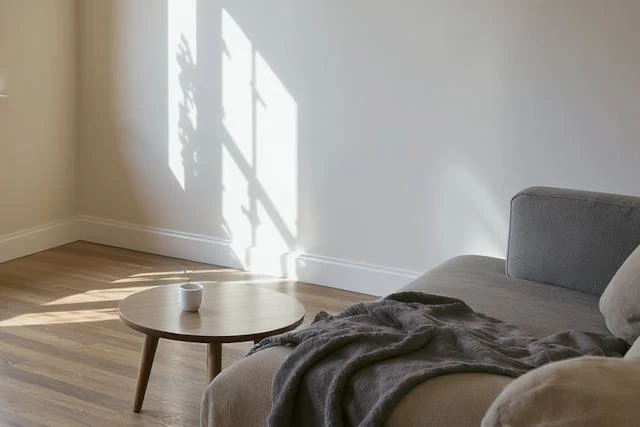
When the eye runs into tall‚ crowded lines‚ a room feels cramped. In contrast‚ when the furniture is low‚ a sense of openness appears. A low piece such as a TV unit‚ a storage chest or a wide sofa with a gentle backrest lets the eye move freely. The low height keeps the line of sight continuous - from the wall to the window - creating a visual space far larger than the physical one. It is a clever optical illusion‚ but also a deep design principle based on the way the brain perceives lines and distances.
Choosing a Furniture Style That Suits the Space
Low furniture does not have to be minimalist or cold. On the contrary - it can be elegant‚ rich and full of presence‚ but in the right measure. Styles such as Scandinavian‚ Japanese or warm modern favor clean lines and balanced proportions. A wide‚ low piece in natural wood‚ for example‚ blends easily into almost any design. It creates a sense of calm and lowers the room's center of gravity. The result is a feeling that the living room "breathes"‚ even if its size has not changed at all.
The Effect of Lighting on Low Furniture
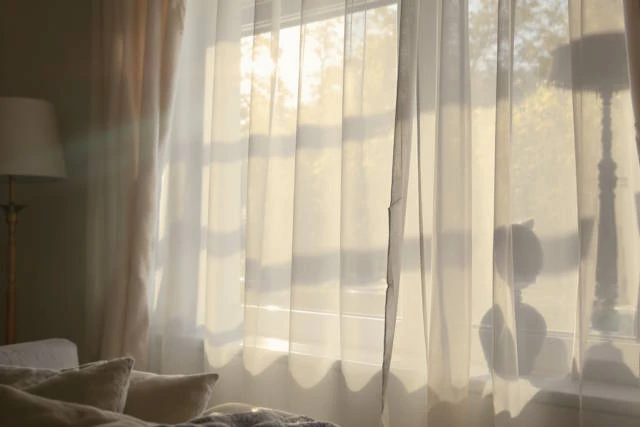
Light plays a central role in how we perceive space. When low furniture lets light reach every corner‚ the room feels bright and airy. A floor lamp that lights up the wall behind or recessed lighting beneath a low piece reinforces that feeling. Natural light from the window also spreads better when there are no obstacles at eye level. Combining the right lighting with low furniture turns a small living room into a space that feels open‚ pleasant and balanced.
The Effect of Open Sightlines on Comfort
Beyond aesthetics‚ furniture height also affects comfort. Low furniture lets you sit and look out at the view‚ at other family members or at the whole room without feeling closed in. There is something liberating about it - a sense that the place welcomes the people sitting in it rather than closing in on them. In a setting like this‚ conversations are calmer and the overall energy feels open and free. It is design that serves not only the eye but also the soul.
Combining Low Furniture with Taller Pieces
Even when you choose a design line of low furniture‚ it is important to keep a balance. One tall item - a floating shelf‚ a floor lamp or a hanging picture - completes the look and gives a sense of structure. Low furniture emphasizes the height above it‚ so a subtle contrast between heights actually adds depth. When the proportions are balanced‚ the room looks natural rather than forced. The key is to keep a consistent lower line that guides the eye smoothly.
The Contribution of Light Colors and Natural Textures
Low furniture looks especially good when paired with light colors. Natural wood tones‚ soft gray or cream create continuity between the furniture and the floor. This avoids a visual break‚ and the whole space looks unified and bright. Natural fabrics - linen‚ cotton‚ light upholstery - also strengthen the sense of lightness. This connection between height‚ color and texture produces an inviting‚ balanced atmosphere.
The Practical Advantage of Low Furniture
Beyond aesthetics‚ low furniture is also practical. It is easy to reach‚ looks less bulky and offers a convenient top surface for everyday use. A low sideboard under a window‚ for example‚ can serve as a bench‚ as storage and as a design element all at once. In addition‚ such furniture tends to hide less dirt and helps keep a sense of order. For families or small apartments‚ it is an efficient solution that strengthens the balance between beauty and practicality.
The Link Between Furniture Height and Inner Balance
Furniture height affects not only the sense of space but also its energy. Low furniture creates a feeling of closeness to the ground that reinforces stability and calm. There is something natural and pleasant about a gaze that moves at a low level - it soothes the eye and makes it easier to focus. Many people feel that in such a space it is easier to rest and talk‚ perhaps because the body and its surroundings "speak" at the same pace. It is design that strengthens inner harmony through modesty and precision.
The Effect of Furniture Arrangement on a Sense of Depth
Low furniture lets you play with the layout of the room. When pieces are placed at the right distance from one another‚ depth and perspective emerge. You can place a low sofa in the center‚ a long sideboard on the opposite wall and a wide but flat coffee table in the middle. This arrangement leaves air around each piece‚ which enhances the sense of space. Contrary to popular belief‚ a partly empty room sometimes feels fuller - simply because there is room to breathe.
The Effect of Curtains‚ Rugs and Walls on the Overall Look
Low furniture works well with other elements that reinforce the sense of height. A long curtain hung from ceiling to floor emphasizes the vertical‚ a large rug defines an area without closing it off and a light wall behind creates a sense of depth. When all these elements work together‚ the result is a living room that feels large‚ clean and bright. No structural change is needed‚ just smart planning of the details.
Summary
Low furniture that makes your living room feel bigger is much more than a design trick. It expresses a calm way of thinking‚ one that understands that a sense of size is measured not in meters but in feeling. The right combination of height‚ lighting‚ color and order can change the whole experience of living at home. When the furniture speaks at eye level - but from below - the home feels more open‚ accessible and warm. It is not only an aesthetic choice but also an invitation to a simpler‚ more balanced and calmer life.