

A Short Desk Movement Break That Takes the Load Off Your Back
A few minutes of simple movement and deep breathing at your desk ease back tension‚ restore circulation and bring your energy back.
The Effect of Prolonged Sitting on the Spine
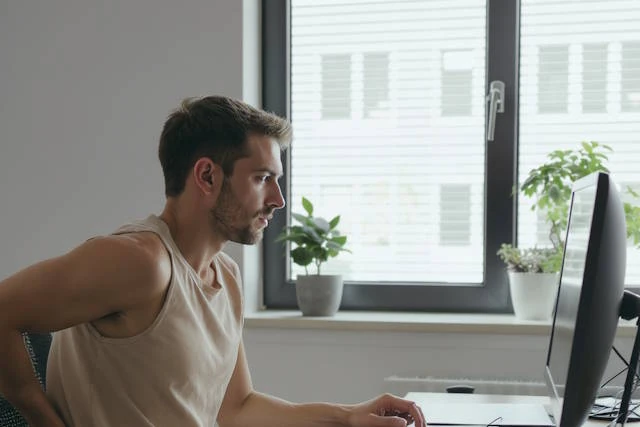
Sitting for long periods compresses the vertebrae‚ reduces muscle flexibility and gradually weakens the core - the area that stabilizes the entire body. When there is no movement‚ blood flows more slowly‚ the muscles struggle to get oxygen and a feeling of heaviness spreads through the whole body. A short movement break‚ even one of two minutes‚ is enough to break this pattern. It restores blood flow‚ relieves pressure on the vertebrae and prevents the build-up of strain that leads to chronic pain.
The Power of Gentle But Mindful Movement
Movement at your desk does not have to be intense to be effective. In fact‚ the more precise and gentle it is‚ the more it helps. Mindful movement lets the brain recognize the back again‚ correct your posture and release muscles that have been overstretched. A few shoulder rolls‚ a light neck stretch or raising your arms to head height can bring an immediate feeling of lightness back to the body. The effect is many times greater when you add deep‚ mindful breathing at the same time.
The Role of Breathing in Relieving Back Strain
Breathing plays an important role in reducing the load on your back. Most people breathe shallowly while sitting‚ which increases internal pressure and reduces range of motion. When you breathe deeply - from the belly‚ through the ribs and up to the shoulders - the body gets oxygen and starts to release built-up tension. Combining breathing and movement creates a double effect: it releases you physically and calms you mentally. It is a moment when the body reconnects with itself without any unnecessary effort.
Simple Movements You Can Do at Your Desk
There is no need to get up from your chair to bring movement back to your body. Slowly turning your head from side to side‚ stretching your arms forward and up‚ rolling your shoulders back and gently lifting your heels off the floor - all of these wake up the muscles and restore circulation. Even a simple change of position‚ such as shifting your weight from side to side or standing up for a few seconds‚ makes a big difference. When these movements are repeated throughout the day‚ your back gets less tired and your brain stays more focused.
The Link Between Short Movement‚ Focus and Sharp Thinking
The back and the head do not work separately. When the back is stiff‚ blood flow to the brain suffers‚ and mental clarity suffers along with it. A short movement break renews that flow and gives the brain back its energy and oxygen. People who practice regular movement at their desks report less fatigue‚ better concentration and a better mood. Body and mind work in harmony - physical movement creates mental movement.
The Difference Between Passive Rest and an Active Break
Many people mistakenly think a break means complete rest. In practice‚ it is an active break - one that includes light‚ moderate movement - that does more good for the body and the mind. While passive rest preserves physical stagnation‚ a break with movement releases it. Five minutes of calm movement every two hours is worth far more than an hour of continuous sitting. It is a small investment that prevents future pain and restores energy instead of wasting it.
Adapting Your Workspace to Your Body
Your work environment directly affects your ability to keep a healthy back. A desk at the wrong height‚ a chair that does not support your lower back or a screen placed too low - all of these create unnecessary strain. A small height adjustment‚ a stable backrest or an added support cushion can reduce fatigue and prevent pain. When the workspace is adapted to the body‚ movement becomes more natural and the back stays upright without effort.
Connecting Body Awareness with Your Daily Routine
The body sends small signals throughout the day - stiff shoulders‚ a mild ache in the lower back or a heavy feeling in the neck. Most people ignore them until they become a real problem. A short movement break at your desk is a simple way to listen to these signals in time. It reminds body and brain that the strain is not a permanent state and that it can be released within minutes. This creates an ongoing dialogue with the body that prevents problems before they even begin.
The Cumulative Effect of Small Habits
When you add a small movement every hour‚ a cumulative effect builds up. The muscles stay flexible‚ circulation is maintained and the pain that comes with the end of the day almost disappears. The body adapts to this habit like any other daily activity. Over time‚ even when you sit for longer‚ less strain builds up and good posture is maintained almost naturally.
Summary
A short movement break at your desk is not a minor action - it is a tool for preventing strain‚ pain and fatigue. Every small change of position‚ every deep breath or simple stretch gives the body what it needs: movement. When the morning starts calmly and the workday continues with awareness of the body‚ the back stays strong‚ the mind stays clear and the day feels easier. It is one of the simplest habits you can add to your routine‚ and also one of the most important for staying healthy over time.