
A One-on-One Moment with Each Child That Feels Like a Whole World
Why a short one-on-one moment with each child builds their confidence‚ eases sibling jealousy and brings the whole family closer.
Choosing Time That Is Truly Dedicated
When you set aside personal time with each child‚ even if it is only ten minutes‚ the message is clear: there is a special place just for them. It is important that the moment is not perceived as a duty or an "educational task"‚ but as an opportunity to connect. You can build it into the routine - before bedtime‚ on the way to an after-school activity or during a simple meal for two. Consistency is the key; when a child knows this time belongs only to them‚ they are filled with confidence. For children‚ focused parental presence is worth far more than the total number of hours.
How Full Attention Affects Emotional Security
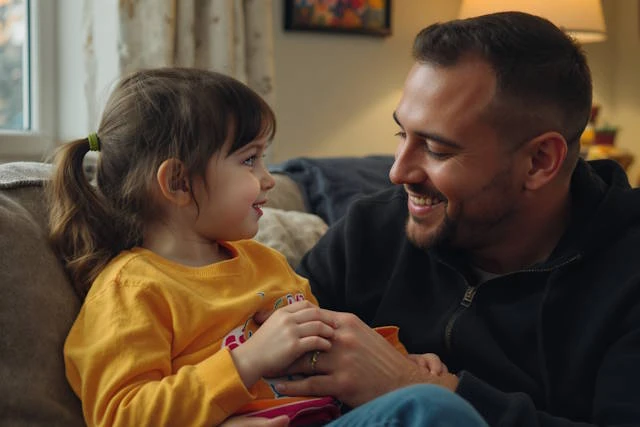
A one-on-one moment is measured not by its length but by the depth of attention within it. When you look into their eyes‚ ask real questions and allow silence between the answers‚ the child feels truly listened to. It is a space where there is no need to impress or compete with siblings. The parent not only hears the words‚ but picks up on the tone of voice‚ the facial expression and the body language. Full attention creates a sense of being seen‚ and that is the foundation of lasting self-confidence.
Choosing an Activity That Suits the Child's Personality
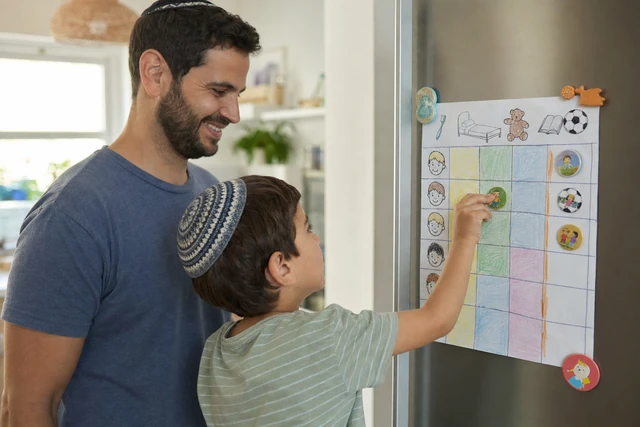
Not every moment has to be a conversation. Some children open up precisely while doing something - walking‚ drawing or playing a short game. A parent who pays attention to what calms the child finds the way to reach them. One child will want to make a sandwich together‚ another will prefer to build something out of Lego‚ and a third will simply want to lie together on the sofa. The choice of activity matters less than the feeling that this time was built around them.
The Effect of Disconnecting from Distractions
In the age of screens‚ disconnecting is a real challenge. A one-on-one moment with each child should be free of the phone‚ the computer and the clock. When attention is complete‚ the child also lets their guard down. A space is created in which time slows down and the bond grows stronger. Even five minutes of full presence can change a mood‚ because they convey "right now you are the most important person in the world".
The Link Between Personal Time and Less Sibling Jealousy
One of the main benefits of individual moments is reducing the sense of competition within the family. When each child knows there is time dedicated only to them‚ the need to "grab attention" decreases. This does not cancel the need for equality‚ but creates emotional fairness - each child receives love in the way that suits them. Even if the time is short‚ the effect is long-term. Such children tend to get along better with each other‚ because they are not fighting for a place in their parent's heart.
Choosing Simple Emotional Language
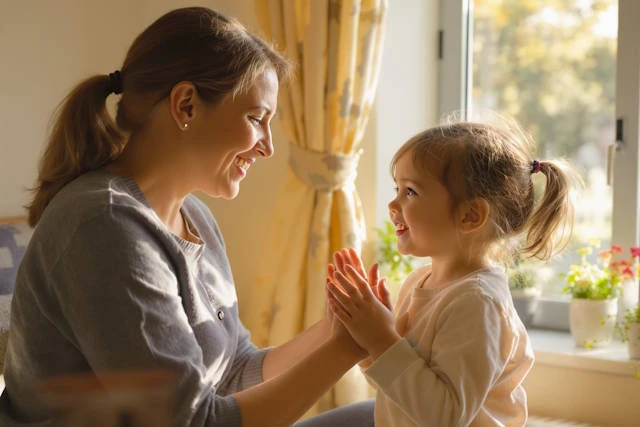
During the one-on-one moment‚ there is no need for drama or deep conversations. Sometimes a look‚ a smile or a gentle touch is the most important language. A sentence like "I love being with you right now" may sound small‚ but it sinks in deeply. This simple language teaches the child that love is not measured in big words‚ but in quiet presence. The less formal the words‚ the more genuine they feel.
How Repetition Affects a Sense of Stability
When these moments repeat themselves‚ they create continuity that strengthens a sense of security. Children need anchors - fixed things they can rely on. Once the weekly or daily get-together becomes a habit‚ it becomes part of the structure of life. Even if it is sometimes postponed or changed‚ knowing it will always come back reassures the child. It is a quiet promise that love does not depend on time or circumstances.
Choosing Atmosphere‚ Not Outcome
The purpose of the moment is not to "get something out of it"‚ but to create a connection. There is no need to extract insights or achievements from it. At that moment‚ the parent is not a teacher or an adviser‚ but is simply present. Sometimes a long silence or a game with no goal reveals more depth than any conversation. When there are no expectations‚ a freedom emerges that allows the bond to grow naturally.
The Long-Term Effect of Small Memories
A one-on-one moment like this stays in the memory. Years later‚ the child will remember not the details of the activity but the feeling - that they had a place in a world of busy adults. These small memories are what build confidence in adulthood. Every time a child feels truly seen‚ another layer is added to their identity. A parent is measured not by the amount of time spent‚ but by the quality of the connection they create each time anew.
In Summary
A one-on-one moment with each child that feels like a whole world is a gift that gives both the child and the parent a renewed sense of meaning. It is a reminder that love does not require endless time‚ but real attention. Amid the pressures of life‚ a few minutes of quiet listening and full presence can restore a sense of connection that was lost. Every look‚ smile or small conversation becomes a memory of security and love that stays with the child for many years.