
A Small Local Market That Tells the Story of a Place
Why a small local market‚ with its smells‚ colors‚ dialect and stallholders‚ tells the story of a place better than any guidebook.
Choosing a Pace That Restores Humanity
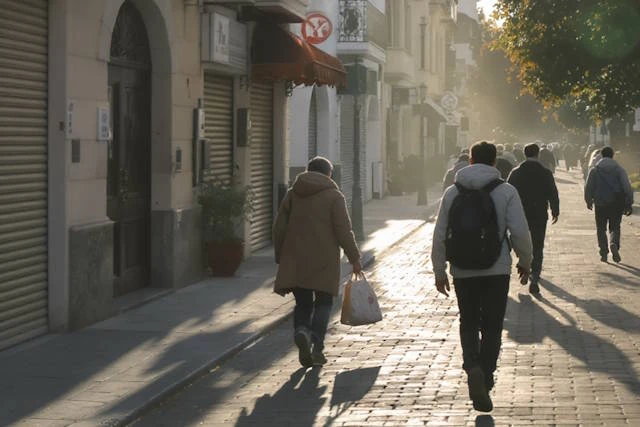
In an age when everything is measured by speed and efficiency‚ the local market keeps a different pace. People stop to chat‚ the seller knows the buyer by name‚ and the deal comes with a smile or a simple question about the family. There is no production line here‚ but a human rhythm that reminds you how much trade can be an interaction between people and not just a flow of money. The slow pace allows real observation and small moments of connection and encounter that don't happen in a sterile shopping mall.
How Smells Create a Sense of Belonging
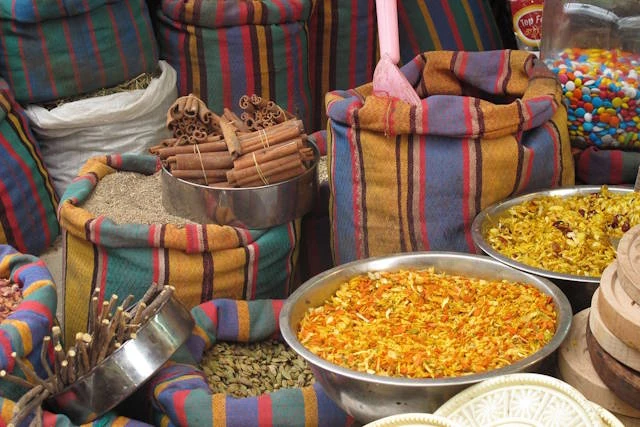
The market wakes up first through the nose. The smell of fresh bread‚ herbs‚ fresh fish or spices ground on the spot all create a sensory soundtrack that tells the story of the place. The smell of a market in Tel Aviv is different from one in Istanbul or Athens‚ but all of them share the same sense of life that connects passersby. Smell is what brings people back to the market even years later‚ because it is etched in memory as an emotional experience and not just a sensory one.
Choosing Colors That Tell History
The market is also a celebration of color: fruit and fabrics‚ spices and flowers‚ old signs and curious glances. Behind every color lies a history - of cooking traditions‚ of culture‚ of the seasons. The fruit that changes with the seasons reflects the direct link between the place and the nature around it. Every color tells another chapter in the identity of the place‚ and every stall is a paragraph in a story that can't be written in black and white.
How Local Dialect Creates a Sense of Belonging
In a small market almost every sentence sounds different - there is a local dialect‚ a unique intonation and slang words you can only hear there. Even if you don't understand everything‚ the language becomes a melody that tells of the culture. Vendors' shouts mix with customers' laughter‚ and moving between stalls is like moving between languages‚ generations and worlds. The market is the place where language becomes alive and breathing again‚ not just a tool of communication but an expression of identity.
Choosing Small Objects as Living Memory
Among the piles of vegetables and pastries hide small items that tell of the local way of life - hand-woven baskets‚ clay pots‚ scarves and rare seasonings. Each of them is the product of human hands and of a tradition passed down from generation to generation. Buying such an item is not just a purchase but taking part in the story of the place‚ a small piece of local identity that enters the private life of whoever takes it home.
How Meeting the Stallholders Shapes the Experience
Market vendors are not just salespeople. They are keepers of culture‚ storytellers and sometimes everyday philosophers. One will tell you about a recipe that has been in the family for a hundred years‚ another about the hours he spends gathering fresh produce before sunrise. Talking with them opens a door to a world not revealed in tourist photos - a world where effort‚ pride and love of the craft merge into a way of life.
Choosing to Notice the Small Details
To truly understand a market‚ you have to know how to linger. To see how a small child helps his mother pack‚ how an elderly couple argues over a price and ends up laughing‚ how a ray of light falls exactly on a pile of oranges and lights them up for a moment. Every small detail adds a layer of life to the larger story. The market is the place where the everyday is revealed in full force - simple‚ noisy and real.
How the Seasons Change the Atmosphere
No two visits to the market are the same‚ because the seasons change everything. In summer the air is full of the sweet scents of fruit‚ in winter the smells of soups and hot stews rise‚ and in spring everything fills with the colors of blossom and freshness. The market lives by the cycles of nature‚ not by advertising schedules. This direct link between the weather and the goods connects the visitor to the real rhythm of local life.
Choosing Moments That Connect Cultures
In a small market‚ people from different cultures meet around the same table of trade. Tourists‚ longtime residents and new immigrants all share the same space. Sometimes a smile or a taste of a slice of cheese is enough to bridge differences of language and custom. These moments give the market its open character and a sense of equality that exists only in a place where everyone is equal in the face of taste‚ smell and the simple need to buy or sell.
How the Experience Lives on in Memory
A photographer can capture only a small part of the magic of a local market. Pictures can't convey the bustle‚ the warmth and the constant movement of people and goods. The real experience is etched in memory through other senses - the touch of fabric‚ the sound of a distant conversation‚ the taste of a fruit not sold in the supermarket. Every visit to the market is a story in itself‚ one that lives on in memory long after you leave.
Summary
A small local market that tells the story of a place is much more than a shopping spot - it is the beating heart of a community‚ a space of real human encounter and a link to cultural identity. It is the place where you can understand a city through its everyday senses: smell‚ taste‚ color and sound. Every market hides a different story‚ but they all share the same simple truth - behind every fruit‚ every voice and every glance lies a whole world waiting to be heard.