
A Pinch of Salt at the End That Brightens Flavors Without Overload
Why salt added at the very end of cooking brightens a dish‚ adds a pleasant texture and keeps the flavors balanced‚ not heavy.
How Seasoning Timing Affects the Final Result
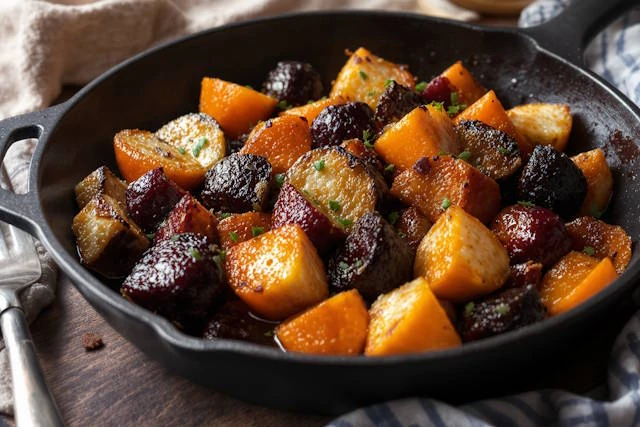
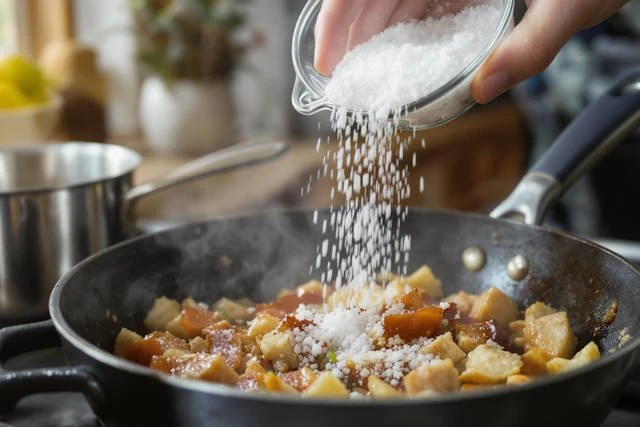
The timing of salt changes everything. When you add it at the start of cooking‚ it dissolves and spreads evenly‚ creating a balanced flavor base. But adding it toward the end keeps its full presence - one tiny grain can light up an entire bite. In some dishes‚ such as roasted vegetables or perfectly cooked pasta‚ the salt added at the end does more than season - it adds texture too. It creates a delicate crunch that highlights freshness. That is how you reach the moment when all the flavors come into balance‚ without overload and without heaviness.
Choosing the Right Type of Salt
Not every salt suits every dish. Coarse salt adds a tactile quality‚ a physical presence in the bite. Fine sea salt blends in gently and brightens the ingredients without taking over. The culinary world offers many types - from pink Himalayan salt to Maldon salt flakes - and each brings its own texture and taste. Choosing the right one is not about luxury but about fit. A delicate dish calls for fine salt‚ while meat or roasted vegetables benefit from coarse salt that brings out the caramelization.
How Salt Balances Flavors
Salt is the link between all the other flavors. It does not only add saltiness - it enhances sweetness‚ balances acidity and deepens flavor. That is why using it precisely is essential: too little and the dish seems lifeless; too much and everything turns dull. When you add salt at the end‚ you have full control over the result. You can taste‚ understand what is missing and bring the dish to its exact point of balance. This is not just seasoning - it is a finishing touch that elevates everything cooked before it.
Timing as an Act of Sensitivity
Good cooking is built on paying attention. Just as you need to know when to stop cooking so you do not lose flavor or texture‚ you also need to know when to add the salt. Adding it at the end is an act of sensitivity - it shows a deep understanding of the ingredients and the changes they go through. The moment the cook adds the right salt‚ the dish opens up‚ comes alive and takes on its own identity. It is a simple action that expresses experience‚ patience and love for the details.
Comparing Cooking with Salt to Managing a Precise Process
Just as balanced salt brings perfect flavor‚ in other areas too - work‚ creativity or communication - a measured addition at the right moment changes everything. Adding too early creates overload; adding too late may miss the moment. The ability to spot the right point at which to add the "salt" - the idea‚ the comment or the final touch - is an art in itself. It is what separates a technical action from one that feels complete‚ harmonious and right.
How Simplicity Contributes to Precise Flavor
One common mistake is thinking that more ingredients mean more flavor. Sometimes the opposite is true. A simple dish built on a few quality ingredients and gentle seasoning lets the flavors speak for themselves. Salt at the end does not hide anything - it highlights. It works like a soft spotlight aimed at the stage‚ lighting up what is already there. The result is an experience in which every bite tells a story - not thanks to excess sophistication‚ but thanks to the right balance.
How Moderation Creates a Natural Feel
When salt is used in moderation‚ you get a truly natural feel. The flavors seem as if they were born that way‚ with no need for outside additions. That is exactly the difference between cooking that feels artificial and cooking that stays connected to the raw ingredients. Proper seasoning at the end of cooking conveys honesty - the cook is not trying to impress‚ just fine-tuning what is already there. The flavor becomes clean‚ genuine and precise‚ the kind that stays with you even after you finish eating.
The Link Between Salt and Patience in the Process
Using salt at the end of cooking requires restraint. It reminds you that every good thing takes time and that there is not always a need to rush to add more. Sometimes it is better to wait‚ taste‚ understand and act only when the right moment arrives. Salt here is not just a seasoning but a symbol of an approach. Patience in the process creates a calm‚ balanced result - not only in cooking‚ but in any area where attention and precision make the difference.
How a Final Pinch of Salt Creates a Sensory Experience
Salt added at the last moment spreads differently on the tongue. It creates small touches of flavor‚ a brief flash that highlights each ingredient. It is a delicate play between saltiness and softness‚ between earth and sea. Grains that melt slowly leave behind a memory of flavor that lights up the whole experience. It is not only a culinary technique but an aesthetic statement - the way a sense of completion can turn into an unforgettable moment.
The Right Amount as the Basis of Control
There is no precise seasoning without control over the amount. Too much salt erases the differences between flavors‚ while too little leaves them pale. A measured addition at the end shows great sensitivity - the ability to know when enough really is enough. It is the same fine balance between presence and subtlety‚ between impact and restraint. As in a painting where one last stroke completes the whole picture‚ in a well-judged dish one final grain can change everything.
In Summary
A pinch of salt at the end that brightens flavors without overload is much more than an ingredient - it is a lesson in precision‚ patience and attentiveness. It represents the ability to keep a dish whole without overloading it‚ to highlight without overpowering and to add only when it is truly needed. In a world where it is easy to keep adding more and more‚ salt at the end is a reminder that true beauty lies in restraint. It is what turns a good dish into a perfect one and creates a moment when everything feels right. Like a life in perfect balance - not too much‚ not too little‚ but exactly at the right time and place.