
Slow-Roasted Vegetables That Gain Surprising Depth of Flavor
Slow roasting at a moderate temperature brings out the natural sweetness of vegetables and gives them a rich flavor and tender texture.
Choosing the Right Vegetables for Roasting
Not every vegetable responds the same way to slow heat. Root vegetables such as sweet potato‚ carrot‚ beet or onion are especially suitable‚ since their sugars are released slowly and create a natural sweetness. Vegetables such as zucchini‚ eggplant or cauliflower also open up in slow heat and surprise with their depth of flavor. Choosing the right vegetable is not only a question of taste but of texture - a vegetable that holds its shape in the oven without falling apart makes for the perfect bite. That is how the balance forms between a lightly crisp‚ roasted exterior and a soft‚ melting interior.
The Effect of Temperature and Time on Depth of Flavor
Slow roasting is not just a technical instruction - it is an approach. Moderate heat of 160 to 180 degrees Celsius creates an environment in which the vegetable changes slowly‚ absorbs the flavor of the oil or seasoning and develops a delicate sweetness. In contrast‚ heat that is too high "burns" the flavors before they really develop. Time allows the Maillard reaction - the chemical reaction responsible for caramelization - to take place gently. With every extra minute the vegetable becomes richer‚ softer and full of an aroma that combines nature and simplicity.
The Effect of Oil on Flavor and Texture
The oil you use determines the final character of the dish. Mild olive oil gives softness and a fruity aroma‚ while an oil with a more pronounced flavor‚ such as sesame oil or canola oil with a twist of spices‚ adds a different depth. When the oil is added correctly - not as a coating but as a thin sheen - it creates a protective layer that lets the vegetable caramelize on the outside without drying out on the inside. The oil also acts as a flavor carrier‚ gathering the aromas of the spices and distributing them evenly.
Choosing Precise and Restrained Seasoning
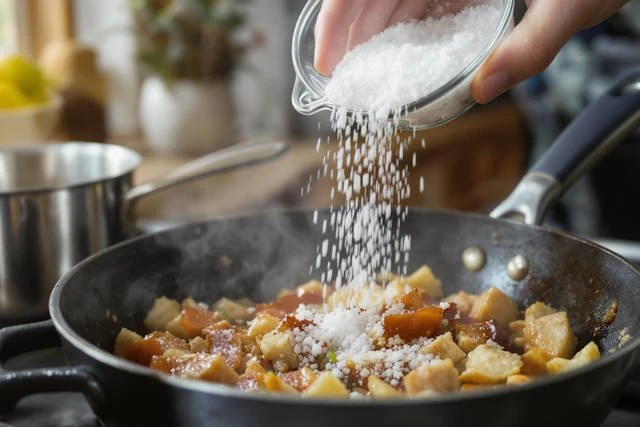
A vegetable that is roasted slowly does not need complex seasoning. Coarse salt‚ freshly ground black pepper and sometimes a few fresh herbs are enough to enhance its existing character. Adding spices at different stages affects the result - a little before roasting to create an even base‚ and a little after baking to highlight freshness. Sometimes a touch of lemon‚ a light tahini or a hard cheese grated on top can completely change the experience. This creates a combination of naturalness and precision in which each flavor stands on its own yet blends in harmony.
The Link Between Roasting Pace and the Quality of the Experience
Fast cooking is associated with efficiency‚ while slow roasting emphasizes presence. When the vegetable stays in the oven longer‚ it absorbs not only the heat but also the attention of the person preparing it. The experience is not only culinary but also sensory - a smell that fills the house‚ the soft sound of roasting that builds gradually and a wait that rewards patience. All of these turn the eating itself into a moment of awareness. Flavor like this is not created under pressure but by paying attention to what is happening on the baking tray.
Comparing Slow-Roasted Vegetables with Boiled Vegetables
While a boiled vegetable loses some of its texture and aroma‚ a slow-roasted vegetable keeps its inner depth. It does not dissolve completely but keeps both its shape and its softness at the same time. Roasted sweet potato is completely different from boiled sweet potato - the first is sweeter‚ richer and has an earthy aroma. Roasted red pepper also carries a gentle smoky depth that has no substitute. The difference is not only in flavor but in its essence - slow roasting lets the vegetable remain itself‚ just a more mature and complete version of it.
Choosing an Attractive Presentation and a Sense of Completeness
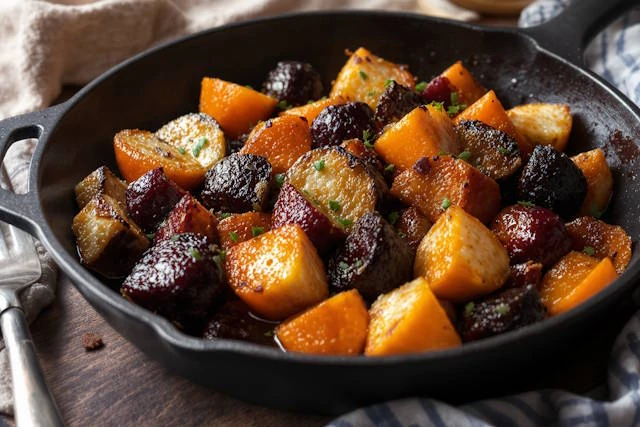
A slow-roasted vegetable has a natural beauty that needs no garnish. Deep shades of gold‚ copper or dark purple appear on their own. Spacing the vegetables properly on the tray creates room for each one to roast evenly‚ which leads to an impressive visual result. Presentation matters too - when the vegetables are piled into a wide bowl or spread on a white plate‚ every shade gets its place. Slow roasting turns simplicity into an aesthetic celebration of color‚ aroma and flavor.
The Effect of Roasted Vegetables on Other Dishes
Slow-roasted vegetables become an excellent base for a wide range of dishes. They can go into a warm salad‚ accompany pasta or serve as the main side dish next to baked fish. A purée of roasted vegetables also adds a depth that has no substitute. The magic is that the flavors are already balanced‚ so there is no need to add anything other than a small touch of freshness - such as cold-pressed olive oil or a fresh basil leaf. It is an ingredient that gives every dish warmth and character‚ almost like a signature.
The Parallel Between Slow Roasting and a Mindful Way of Life
The way a vegetable responds to heat is reminiscent of the way people respond to time. When you do not rush‚ depth develops. When you let things happen at a natural pace‚ a real connection forms. Slow roasting teaches the importance of pausing and the power of a process that unfolds slowly. It shows how a small change in perspective - speed versus patience - can change the entire result. Just as in the kitchen‚ in life too the solution is sometimes simply to turn down the temperature and let time do its work.
Summary
Slow-roasted vegetables that gain surprising depth of flavor are not just a tasty dish but the expression of a whole approach. It is a process that respects time‚ ingredients and naturalness. It reminds you that every real change happens when you allow it to happen - without rushing‚ without overloading and without forcing. The result is a rich flavor‚ a quiet aroma and a sense of satisfaction that comes from within. A vegetable roasted this way is not just an ingredient in a meal but a reminder of the power of slowness‚ the precision of simplicity and the beauty of the journey.