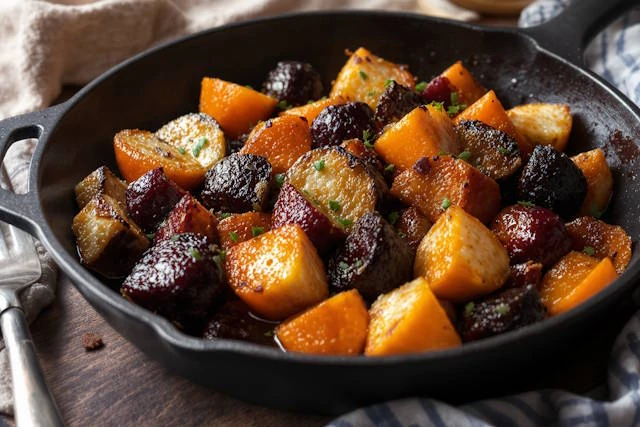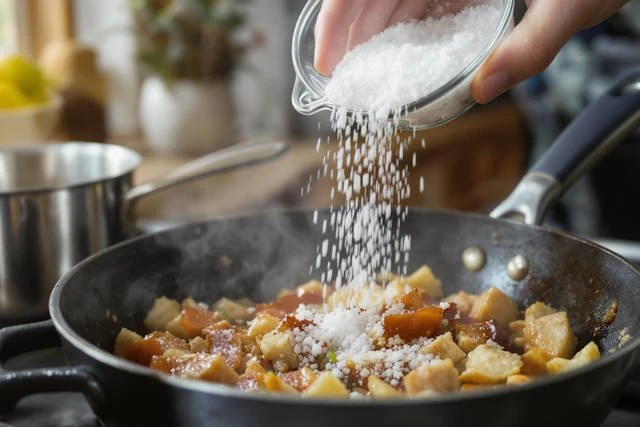

Ultra-Thin Slicing That Replaces a Heavy Side Dish
How slicing vegetables and fruit very thinly changes the texture‚ flavor and look of a dish and lets you skip the heavy side.
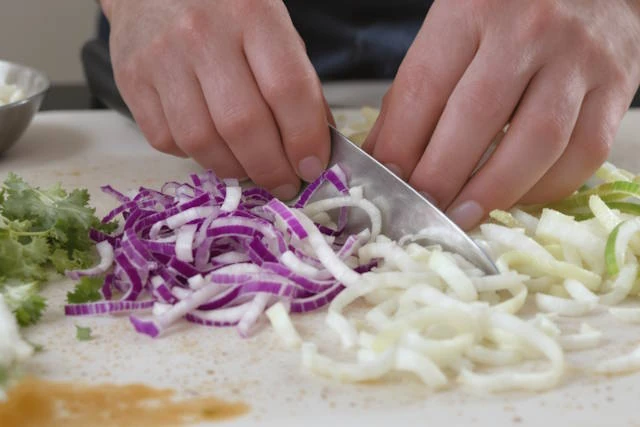
Choosing Ingredients That Suit Thin Slicing
Not every ingredient responds well to a sharp knife. Some crumble‚ some lose volume‚ and some actually come to life when they become wafer-thin slices. Vegetables such as zucchini‚ kohlrabi‚ carrot or radish take on a fresher character when sliced thinly‚ while fruit such as apple or pear becomes light and delicate when thinly sliced and added to a salad. Hard cheeses and cured meats also benefit from this technique‚ which lets them blend in without taking over. Choosing exactly the right ingredient for this kind of slicing is the first step toward a dish that feels elegant and calm.
How Slicing Affects Texture and Mouthfeel
Thin slicing completely changes how each ingredient feels. It creates a balanced bite in which every element gets equal space without overpowering the others. A thin slice of carrot can add a gentle crunch‚ while very finely cut leafy greens add volume without weighing the dish down. When different textures meet - thin and soft against crisp and delicate - you get a combination that engages all the senses. The pace at which the food is chewed changes too‚ and the overall feeling is one of lightness and control. Instead of loading the plate with a heavy carbohydrate side‚ you can build a whole meal around delicate textures alone.
The Health Benefit of Controlling Portions
When you slice thinly‚ you eat less but enjoy it more. Every small slice looks bigger on the plate‚ and every forkful feels fuller. Thin slicing lets you feel satisfied even with a small amount‚ because the eye and the palate work together. It helps slow down your eating‚ increases your attention to what goes into your mouth and reduces the need to "add volume" with side dishes. It is a method that balances the feeling of fullness with an easier load on the digestive system. In addition‚ thinly sliced vegetables and fruit release more juice‚ which adds natural succulence and reduces the need for oils or sauces.
How Temperature Affects Precise Slicing
The thinnest slicing requires not only a good knife but also control over the temperature of the ingredient. Vegetables that are too cold are hard to slice precisely‚ while ones that are too warm get squashed. Keeping an optimal temperature - between lightly chilled and room temperature - allows even‚ clean slicing. Using a mandoline or a ceramic blade also adds precision and consistency. The right temperature is not just a technical matter; it defines the final experience. When the slices are thin and uniform‚ each one absorbs sauce or oil evenly‚ and the whole bite feels complete.
Choosing the Right Slicing Tools
Precision starts with the right tool. A wide chef's knife suits large vegetables‚ while a thin‚ flexible knife suits fruit or delicate vegetables. A mandoline lets you get slices of identical thickness‚ which ensures even cooking whether you roast‚ steam or lightly fry them. Your grip matters too: slicing in a smooth motion‚ gliding rather than pressing‚ preserves the structure of the ingredient. The tools themselves become part of the experience - they do not just cut‚ they let you control the look of the food.
How Slicing Affects Color and Presentation
A thin slice reveals layers of color that were hidden. Sliced beetroot shows almost hypnotic rings‚ carrot reveals shades of orange and gold‚ and zucchini forms green circles that look like a graphic pattern. When the vegetables are arranged this way on the plate‚ there is a sense of creation. The eye sees first‚ then the palate tastes‚ and only then does the body respond. This presentation lets you do without heavy sauces or heaped sides - the food itself becomes beautiful and therefore more inviting. It is not just a meal‚ it is a visual experience that opens the appetite on its own.
Combining Thin Slicing with Other Cooking Techniques
Thin slicing is only the beginning - it pairs naturally with techniques such as quick roasting‚ fast steaming or marinating. Thin slices absorb flavors faster‚ which means you can use less seasoning and less cooking time. Thinly sliced vegetables take on a light color in the oven and soften gently‚ while fruit can be exposed to balsamic vinegar for just a few minutes to become the perfect addition to a salad. The result is a balanced meal that looks elaborate but actually relies on precise simplicity.
How Thin Slicing Changes Eating Habits
Anyone who starts slicing thinly discovers that they also eat differently. Suddenly there is no need to "fill up" with a hearty side dish‚ because every bite feels rich and full. It is a natural way to reduce portions without giving up the feeling of fullness. The conversation around the table changes too - the meal becomes slower‚ more attentive and tastier. Thin slicing is not just a culinary decision‚ but a way to manage your relationship with food mindfully.
The Connection Between Simplicity and Complexity
In practice‚ there is no big secret here - just a sharp knife‚ attention and a habit of precision. And yet it is exactly this simplicity that creates a sense of complexity on the plate. Ultra-thin slicing requires concentration but is not pretentious. It brings a kind of culinary humility‚ a reminder that you do not need expensive ingredients or heavy seasoning to create an experience. The combination of lightness and thought is what turns a simple dish such as a salad or roasted vegetables into something unforgettable.
In Summary
Ultra-thin slicing that replaces a heavy side dish is more than a technique - it is a worldview. It highlights the power of small details‚ the balance between flavor and texture and the beauty of precision. One simple action changes not only what is on the plate‚ but also the way you relate to food. In a reality full of speed and distractions‚ thin slicing brings attention back to the essence: eating mindfully‚ creating from simplicity and discovering how much depth is hidden in one thin slice.